
Blog / Honda Service

Essential Honda Spring Maintenance Tips in Oxford, NC

A mechanic smiling and holding a wrench in a garage.

Why Spring Maintenance is Crucial for Your Honda 

As the seasons change, so do the demands on your vehicle. Honda Spring Maintenance is essential to ensure your car is ready to tackle the warmer months ahead. After enduring winter's harsh conditions, your Honda may need some extra care to maintain its performance and reliability. For drivers in Oxford, North Carolina, spring is the perfect time to address any wear and tear and prepare for upcoming road trips or daily commutes. 

From inspecting your tires to checking fluid levels, a thorough spring maintenance routine can help you avoid costly repairs down the line. Let’s explore the key areas to focus on when preparing your Honda for spring.  

Inspecting and Replacing Tires 

One of the most critical aspects of Honda Spring Maintenance is ensuring your tires are in optimal condition. Winter roads can take a toll on tire tread and alignment, so it's essential to inspect them for uneven wear or damage.  

If you notice any issues, consider rotating or replacing your tires to maintain proper traction and fuel efficiency. Additionally, check the tire pressure as fluctuating temperatures can cause it to drop. Properly inflated tires not only improve safety but also enhance your vehicle's overall safety and performance.  

Checking Fluid Levels and Filters 

Spring Honda maintenance should include a comprehensive check of your vehicle's fluids and filters. Over the winter, fluids like engine oil, brake fluid, and coolant may degrade or become contaminated.  

Replacing these fluids ensures your Honda operates smoothly and efficiently as temperatures rise. Don’t forget to inspect and replace air and cabin filters if necessary—clean filters improve air quality inside the car and enhance engine performance by allowing better airflow.  

Battery Health and Electrical System Check 

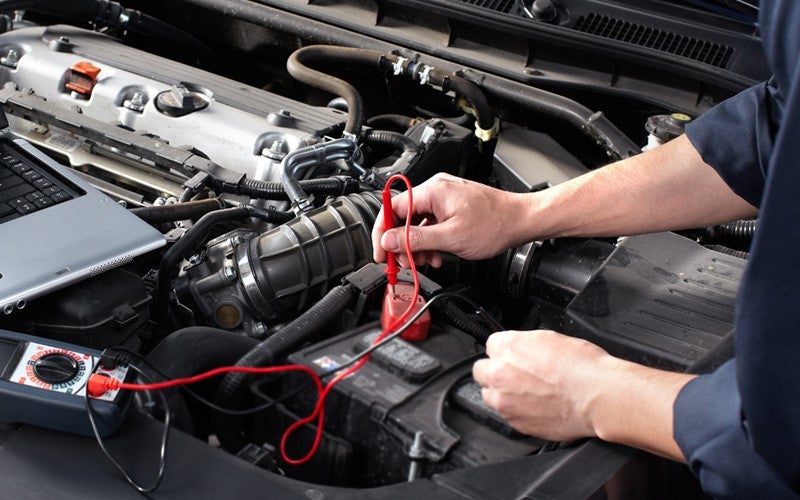
Cold weather can strain your car’s battery, making spring an ideal time to test its health. During your Honda Spring Maintenance routine, have the battery inspected for corrosion or low charge.  

Additionally, check your vehicle’s electrical system, including headlights, brake lights, and interior electronics. Ensuring everything is functioning correctly will help you avoid unexpected issues on the road.  

Cleaning and Protecting Your Honda 

Spring is also an excellent time to give your Honda a thorough cleaning inside and out. Salt and grime from winter roads can accumulate on your car’s exterior, potentially leading to rust if not addressed.  

Wash and wax your vehicle to protect the paint and maintain its shine. Inside, vacuum the carpets and clean surfaces to remove dirt and allergens that may have built up over the colder months. A clean car not only looks great but also contributes to a more enjoyable driving experience.  

Call to Action 

For expert Honda Spring Maintenance in Oxford, North Carolina, visit Boyd Honda Oxford today! Our skilled technicians are here to ensure your vehicle is ready for the warmer months ahead. Schedule your service appointment online at (https://www.boydhondaoxford.com/) or stop by our dealership for personalized care.  

Conclusion 

Spring is the perfect time to give your Honda the attention it deserves after a long winter. By focusing on key maintenance tasks like tire inspection, fluid checks, battery health, and thorough cleaning, you can ensure your vehicle remains reliable and efficient all season long. For drivers in Oxford, NC, Boyd Honda Oxford is your trusted partner for all your spring Honda maintenance needs. Schedule your service today and enjoy peace of mind on every drive!


Posted in:

Related Posts

Honda Maintenance Tips: Keeping Your Vehicle Running Smoothly

Honda vehicles are built with reliability in mind, and with the right care, they can stay on the road for hundreds of thousands of miles. Whether you drive a Civic, CR-V, Accord, or Pilot, understanding a few key Honda maintenance tips can make a real difference in how your vehicle performs over time. For drivers in Oxford, North Carolina, staying on top of routine service is one of the smartest investments you can make in your vehicle. more Why Regular Honda Maintenance Matters Skipping routine maintenance might not cause problems right away, but it adds up quickly. Small issues that go unchecked can turn into costly repairs down the road. Following Honda's recommended service schedule helps preserve engine health, fuel efficiency, and overall reliability. These Honda maintenance tips are designed to help you stay ahead of the curve rather than react to problems after they arise. Honda's Maintenance Minder system takes the guesswork out of scheduling. It monitors your driving habits and alerts you when specific services are due, ranging from oil changes to tire rotations and brake inspections. Paying attention to these alerts is one of the simplest ways to keep your Honda running the way it was designed to. Oil Changes: The Foundation of Engine Health It’s easy to skip, but you’ve got to keep up with oil changes. Fresh oil lubricates your engine's moving parts, reduces friction, and helps prevent overheating. Over time, oil breaks down and loses its effectiveness, leading to premature engine wear. Most modern Honda models use 0W-20 full synthetic oil, and many can go longer between oil changes than older vehicles. Still, checking your Maintenance Minder and never ignoring the oil life indicator is essential. Consistent oil changes are a low-cost habit that protects one of the most expensive components in your vehicle. Tire Care: Rotation, Inflation, and Alignment Tires play a bigger role in safety and fuel efficiency than most drivers realize. Keeping them properly inflated, rotated, and aligned is a core part of any Honda maintenance routine. Under-inflated tires create more rolling resistance, which forces your engine to work harder and reduces efficiency. Honda recommends rotating tires every 5,000 to 7,500 miles, often coinciding with your oil change schedule. Regular rotation ensures even tread wear across all four tires, extending their lifespan significantly. If your Honda is pulling to one side or the steering wheel vibrates, it may be time for a wheel alignment check as well. Honda Accord Maintenance Tips: What Sedan Owners Should Know The Accord is one of Honda's most popular and enduring models, and keeping it in top shape requires attention to a few specific areas. Beyond the basics, maintaining your Honda Accord can include monitoring the cabin air filter, transmission fluid, and spark plugs. These components affect everything from air quality inside the cabin to engine performance and fuel economy. The Accord's transmission, whether automatic or with available hybrid system components, benefits from fluid checks at regular intervals. Contaminated or low transmission fluid can cause sluggish shifts and long-term damage. For Accord Hybrid owners, the electric motor system is largely low-maintenance, but the conventional brake and battery cooling systems still require periodic attention. These Honda Accord-specific maintenance tips apply whether you're driving a standard or hybrid trim level. Brake Inspections: Don't Wait for Warning Signs You don’t want them to ignore you, so don’t ignore your brakes. Waiting until you hear squealing or grinding is waiting too long. Honda recommends having brake pads and rotors inspected regularly so wear can be caught before it becomes a hazard. Most Honda models give you subtle cues when brake service is needed, such as longer stopping distances or a soft pedal feel. If you notice any of these signs, scheduling an inspection promptly is always the right call. Brake fluid should also be checked periodically, as it absorbs moisture over time and can reduce braking effectiveness. Fluid Checks: Coolant, Brake Fluid, and More Your Honda relies on several fluids to operate correctly, beyond just engine oil. Coolant keeps the engine from overheating, power steering fluid helps maintain responsive handling, and windshield washer fluid keeps your visibility clear. These are easy things to overlook but equally important to inspect on a regular basis. Honda's coolant, in particular, is designed with a long service life, but it should still be checked for proper concentration and signs of contamination. If the coolant looks rusty or discolored, it's time for a flush. Staying current on fluid maintenance is one of the more overlooked Honda maintenance tips, but it's just as important as any other item on the schedule. Visit Boyd Honda Oxford for Trusted Service Keeping up with your Honda's service needs is always easier when you have a reliable team behind you. Drivers throughout Oxford, NC, trust Boyd Honda Oxford to provide factory-trained technicians, genuine Honda parts, and service tailored to each specific model. Whether it's a routine oil change or a more involved inspection, having a knowledgeable service team makes all the difference.

Automotive service center with technicians reviewing vehicle maintenance in a workshop

Honda Maintenance Minder: Smarter Than a Sticker on Your Windshield

Most cars still rely on a basic schedule. Drive a certain number of miles, get something serviced, repeat. Honda looked at that and thought, there’s a better way. The Maintenance Minder system is exactly that. It tracks how the car is being used, not just how far it’s gone. For drivers in Oxford, NC, that means maintenance that lines up with real life, not a guess. more What It’s Really Doing Behind the Scenes The system monitors things like engine temperature, driving patterns, and oil condition. So if you’re stuck in traffic every day, or doing short trips where the engine barely warms up, it adjusts. If you’re mostly cruising on the highway, it adjusts differently. That’s the key point. It’s not just counting miles. It’s paying attention. And that leads to more accurate service timing, especially for things like engine oil, which doesn’t wear the same way for every driver. How the System Talks to You When it’s time for service, the car doesn’t send you a novel. It gives you a code. Simple, but you do need to know what it means. Main codes point to the big items. Code A usually means an oil change. Code B means oil plus a broader inspection. Sub-codes handle the details. Tire rotation, air filters, brake checks, that sort of thing. So if you see something like “B1,” it’s not complicated. Oil service plus a tire rotation. Once you understand the pattern, it’s quicker than flipping through a service booklet. Why It’s Worth Paying Attention To This system isn’t just about convenience. It helps avoid doing maintenance too early or too late. That means fewer unnecessary visits, but also less risk of letting something go too long. It also keeps an eye on oil life in a way that reflects how the engine is being used. That matters over time, especially if you plan to keep the car for years. There’s a small side benefit too. Staying on top of maintenance helps keep fuel efficiency where it should be, which never hurts. Resetting It Without Overthinking It After service, the system needs to be reset so it can start tracking again properly. The process is straightforward. Turn the ignition on, hold the Select/Reset button until the code flashes, release, then press again until it resets to 100 percent oil life. Done. If you’re not sure, a service advisor can handle it in about ten seconds, which is usually faster than double-checking yourself. Get Help with Honda Maintenance at Boyd Honda Oxford If the codes don’t make sense or you’d rather have someone walk you through it, stop by in Oxford, NC. The team can explain what your vehicle needs, handle the service, and make sure everything is reset correctly. Schedule your service online and keep your Honda running the way it was designed to.

Red Honda CR-V driving on a city highway, showcasing its modern design and everyday versatility.

Honda CR-V vs. HR-V: Which Honda SUV Fits Oxford, OH Drivers Best?

If you're shopping for a new Honda SUV near Oxford, North Carolina, you've likely narrowed your search down to two strong contenders: the Honda CR-V and the HR-V. Both offer practical layouts, modern technology from safety features to connectivity, and Honda's reputation for reliability—but they're built for different kinds of drivers. Here's a closer look at how each one stacks up so you can make a confident choice. more Honda CR-V vs. HR-V: Performance The 2026 Honda CR-V gives you the choice of 2 powertrains. The 1.5L turbocharged engine produces 190 hp with 179 lbs.-ft. of torque, paired with a Continuously Variable Transmission. The available dual-motor hybrid powertrain bumps up to 204 hp while giving you up to 40 MPG in the city and 34 on the highway. Sport Mode is standard on hybrid trims, giving you a more responsive throttle when you need it, or just plain want it. The 2026 HR-V takes a different approach with a naturally aspirated 2.0L i-VTEC® 4-cylinder engine producing 158 hp. It also pairs with a Continuously Variable Transmission and an available Real Time AWD™ with Intelligent Control System. The HR-V is a capable, efficient commuter with excellent grip—though the CR-V clearly has the edge in outright power and fuel economy. Interior Space and Comfort The Honda CR-V offers up to 76.5 cu. ft. of cargo space when the rear seats are folded, which is a notable advantage for families or anyone who regularly hauls gear. The configurable rear seating reclines, folds, and splits accommodate just about any combination of 5 passengers and all their stuff. The Honda HR-V is more compact, but its 5-passenger layout is thoughtfully designed Available leather seats, a smart center console, one-touch power moonroof, and dual-zone climate control create an inviting cabin, though its overall cargo capacity is smaller than the CR-Vs at a max of 55.1 cu. ft. If interior room and flexibility are priorities, the CR-V wins that comparison. Technology and Connectivity Both the Honda CR-V and HR-V come standard with wireless Apple CarPlay® and Android Auto™ compatibility, a 9” color touchscreen, and a wireless phone charger. Honda Sensing® is also standard across all trims of both vehicles, covering features like Adaptive Cruise Control with Low-Speed Follow, Lane Keeping Assist System, and Collision Mitigation Braking System™. Where the Honda CR-V pulls ahead is available, Google built-in on the Sport Touring Hybrid trim, which adds Google Assistant, Google Maps, and Google Play integration. The HR-V Sport trim adds Honda HR-V features like a Blind Spot Information System with Cross Traffic Monitor—a smart upgrade for commuters and drivers navigating busier roads. Which One Is Right for You? If you need more space, stronger performance, and access to a hybrid powertrain, the Honda CR-V is likely the better fit. It's a 7-time Car and Driver 10Best Trucks and SUVs award winner, and it's built for drivers who want a versatile, well-rounded SUV. If you're looking for something more compact and straightforward for daily driving, the HR-V delivers solid value with a simpler ownership experience. Visit Boyd Honda Oxford Whether you're leaning toward the Honda CR-V or want to learn more about what each model offers, the team at Boyd Honda Oxford is here to help. Drivers throughout Oxford, NC can explore both models, compare trims, and find the right fit for their lifestyle. Visit our dealership to discover the current inventory or schedule a test drive today.